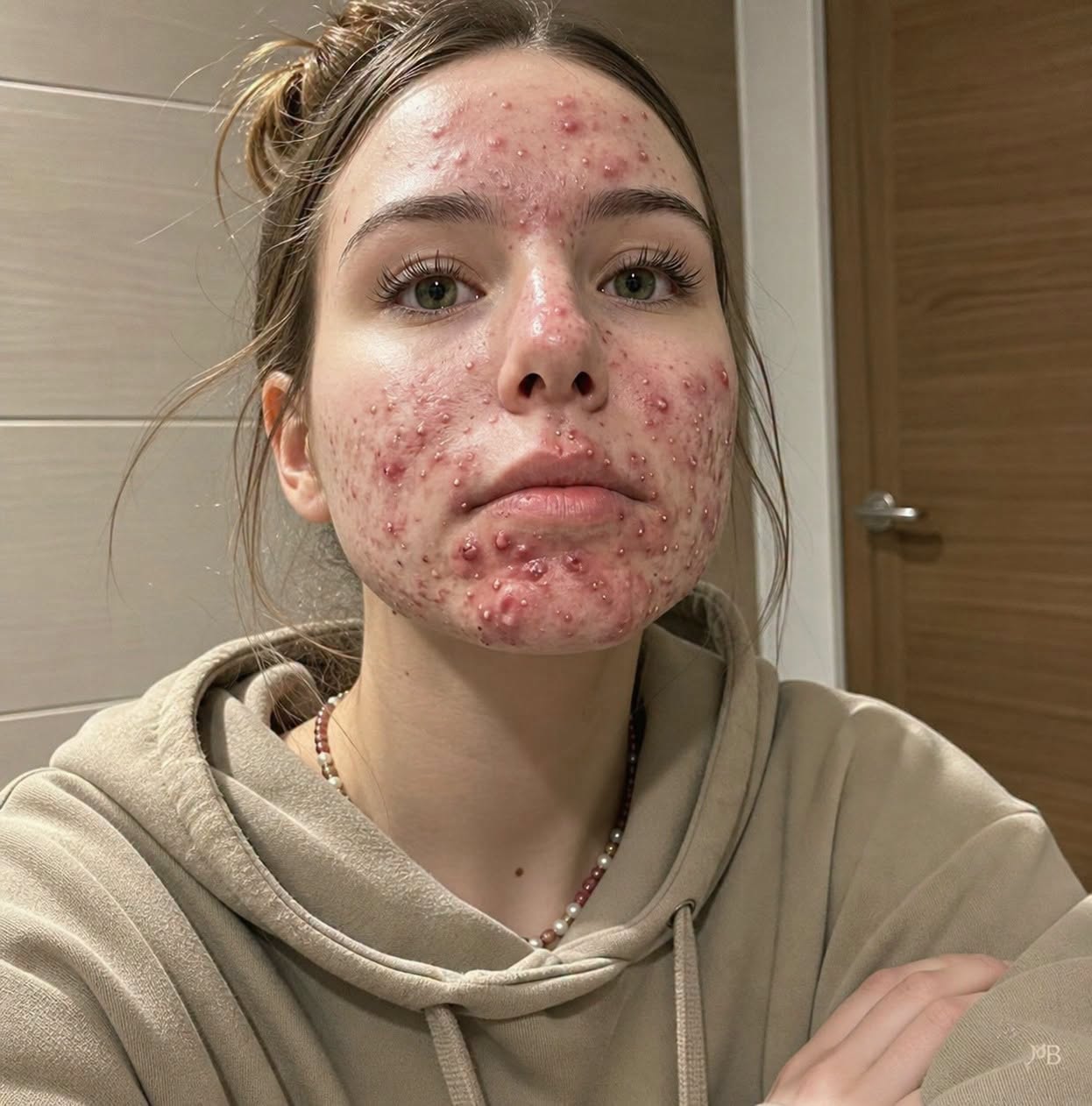
The Surprising Hidden Triggers Behind Stubborn Chin Acne
The Biological Anatomy of Chin Acne
The sebaceous glands on the lower face, chin, and jawline have an exceptionally high concentration of androgen receptors. When hormonal or chemical signals stimulate these receptors, the glands produce an excess of thick, sticky sebum.
When mixed with dead skin cells (hyperkeratinization), this sebum clogs the hair follicle, creating an anaerobic environment where Cutibacterium acnes bacteria proliferate. Because chin lesions are frequently cystic, nodular, and deep within the dermis, standard surface washes and spot treatments fail to reach the source of inflammation.
1. Endocrine and Hormonal Fluctuations
The most prominent driver of chin breakouts is endocrine signaling:
-
Androgen Sensitivity: Fluctuations in testosterone and dihydrotestosterone (DHT) trigger excessive sebum production. Even when circulating hormone levels are within normal medical ranges, localized follicle receptor sensitivity can cause breakouts.
-
Menstrual Cycle Phases: During the luteal phase (the week leading up to menstruation), estrogen and progesterone drop while relative androgen levels rise, causing predictable, cyclical chin breakouts.
-
Polycystic Ovary Syndrome (PCOS): Persistent, treatment-resistant cystic chin acne is a hallmark clinical indicator of PCOS, driven by hyperandrogenism and insulin resistance.
-
Adrenal Cortisol Surges: Chronic psychological stress stimulates the hypothalamic-pituitary-adrenal (HPA) axis, releasing cortisol and adrenal androgens like DHEA-S, which directly enlarge sebaceous glands.
2. Dietary and Metabolic Triggers
Diet influences the skin through biochemical pathways rather than greasy food touching the lips:
-
High-Glycemic-Load Foods: Refined carbohydrates and sugars cause rapid spikes in blood glucose and insulin. High insulin increases Insulin-Like Growth Factor 1 (IGF-1), an endocrine messenger that stimulates sebum production and accelerates cell turnover in pores.
-
Dairy and Whey Proteins: Dairy products contain natural mammalian hormones and bovine IGF-1 precursors. Whey protein supplements, in particular, frequently trigger severe lower-facial cystic eruptions.
-
Gut-Skin Axis Dysbiosis: Imbalances in the intestinal microbiome increase systemic permeability (“leaky gut”), releasing inflammatory cytokines that aggravate cutaneous inflammation.
3. Physical, Mechanical, and Environmental Factors
Everyday habits introduce localized irritation (acne mechanica) and bacterial inoculation to the chin:
-
Subconscious Facial Resting: Leaning the chin on hands or resting the lower jaw against desks during work transfers dirt, friction, and pressure into follicles.
-
Mobile Devices: Holding smartphones against the lower jawline deposits concentrated oil, ambient bacteria, and heat.
-
Masks and Straps: Tight face masks, helmet chin straps, and violin chin rests trap moisture, sweat, and friction, disrupting the epidermal barrier.
4. Cosmetic and Topical Irritants
Products applied to the face and mouth can act as occult comedogens:
-
Toothpaste Formulations: Strong foaming agents like Sodium Lauryl Sulfate (SLS) and high-fluoride pastes can cause perioral dermatitis and folliculitis around the chin and mouth corners, closely mimicking classic acne.
-
Comedogenic Lip Balms: Waxes, heavy oils (such as coconut or mineral oil), and petrolatum applied to the lips easily migrate downward to the chin during sleep or speech.
-
Pore-Clogging Skincare: Heavy moisturizers, thick sunscreens, or layering incompatible silicone-heavy formulas can form occlusive plugs in lower-facial pores.
Comparative Matrix: Surface vs. Systemic Chin Acne
| Factor | Standard Surface Acne | Stubborn Chin / Hormonal Acne |
| Primary Lesion Type | Superficial whiteheads, blackheads, mild papules | Deep, painful, inflammatory nodules and cysts |
| Recurrence Pattern | Random or tied to hygiene and pore congestion | Predictable monthly cycles or stress spikes |
| Response to Topicals | Resolves well with OTC Salicylic Acid / Benzoyl Peroxide | Minimally responsive to OTC topical spot treatments |
| Root Causation | Surface debris, dead skin buildup, oil pooling | Receptor-level sensitivity, IGF-1 surges, endocrine flux |
Effective Management Strategies
Tackling stubborn chin acne requires addressing systemic drivers alongside targeted skin care:
-
Topical Retinoids: Adapalene, tretinoin, or tazarotene accelerate cellular turnover, clearing microcomedones before they inflame.
-
Topical Androgen Inhibitors: Prescription clascoterone (Winlevi) blocks local androgen receptors in the skin without altering systemic blood hormone levels.
-
Systemic Medical Therapies: Oral spironolactone (which reduces androgen activity) or combined oral contraceptives for individuals with documented hormonal flares.
-
Lifestyle & Routine Adjustments: Switching to an SLS-free toothpaste, wiping phones daily, stabilizing blood sugar with fiber-rich meals, and avoiding resting hands on the chin.