Beetroot Isn’t for Everyone: Possible Side Effects and Health Risks You Should Know
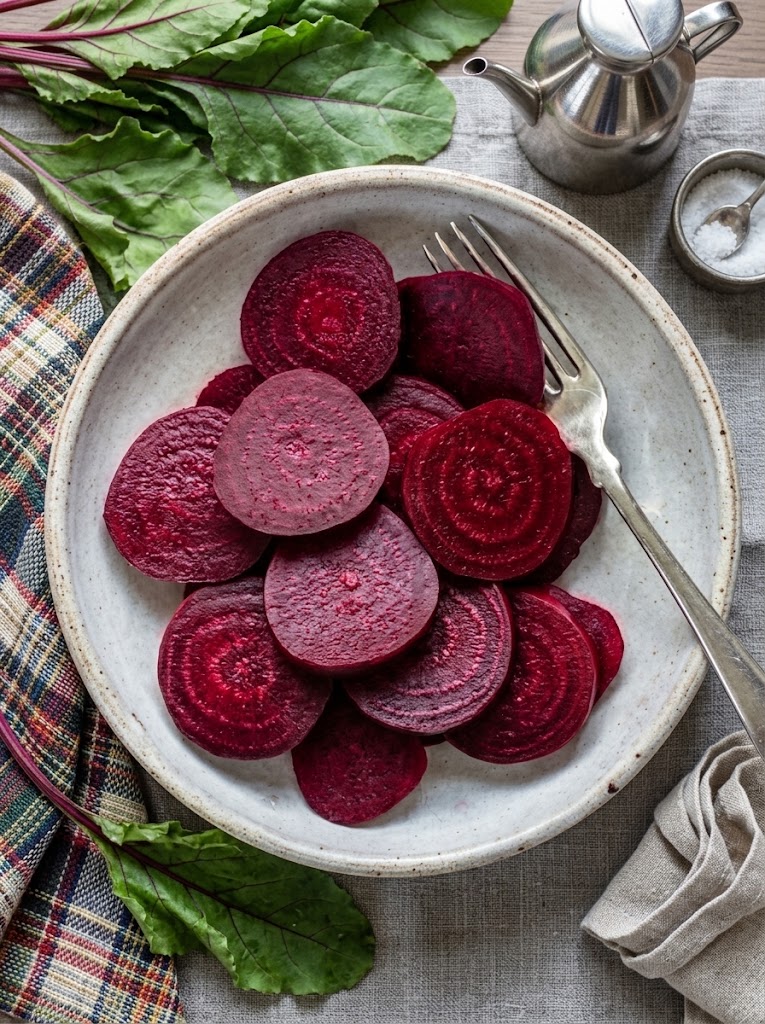
Beetroot is widely recognized as a nutritious vegetable and is often included in healthy diets because it contains fiber, folate, antioxidants, and naturally occurring nitrates. Beetroot juice has also become popular among people interested in exercise and cardiovascular health. However, like many foods, beetroot may not be suitable for everyone, particularly when consumed in large amounts.
Although beetroot can be part of a balanced diet for most healthy adults, there are several potential disadvantages and precautions worth knowing. Understanding these issues can help people enjoy beetroot safely without unnecessarily avoiding a nutritious food.
1. It May Turn Urine or Stool Red
One of the most noticeable effects of eating beetroot is a temporary red or pink color in urine or stool. This condition is commonly known as beeturia.
The color comes from natural pigments in beetroot called betalains. For most people, this is harmless and disappears after the beetroot has passed through the digestive system.
However, red urine can sometimes be confused with blood in the urine. If someone has unexplained red urine, particularly when they have not recently eaten beetroot, medical advice should be sought rather than assuming it is caused by food.
2. It Contains Oxalates
Beetroot contains oxalates, naturally occurring compounds found in many plant foods. In people who are prone to forming calcium oxalate kidney stones, consuming large quantities of high-oxalate foods may be a concern.
This does not mean everyone needs to avoid beetroot. However, people with a history of certain types of kidney stones may need to discuss their diet with a healthcare professional.
Individual dietary recommendations can vary depending on the type of kidney stone, overall diet, kidney function, and other health factors.
3. Beetroot Can Affect Blood Pressure
Beetroot is naturally rich in nitrates, which the body can convert into nitric oxide. Nitric oxide helps relax blood vessels and can contribute to lower blood pressure.
For many people, this is considered a potential benefit. However, people who already have low blood pressure or those taking blood-pressure-lowering medication should be cautious about consuming very large amounts of beetroot or beetroot juice.
The effect is not necessarily dangerous, but combining several blood-pressure-lowering factors could potentially contribute to symptoms such as dizziness or light-headedness in some individuals.
Anyone taking medication for blood pressure should consult their healthcare professional before making major dietary changes involving concentrated beetroot products.
4. Beetroot Juice Can Be High in Natural Sugar
Whole beetroot contains fiber, which slows digestion and helps with fullness. Beetroot juice generally contains less fiber because much of the plant material has been removed during juicing.
As a result, drinking large quantities of beetroot juice can provide a concentrated amount of naturally occurring sugar and carbohydrates.
For people who are monitoring their blood-glucose levels, portion size can therefore matter. Whole beetroot may be a more filling option than large servings of juice because it retains its fiber.
This does not mean beetroot juice is automatically unhealthy. The important consideration is how much is consumed and how it fits into the person’s overall diet.
5. It May Cause Digestive Discomfort
Beetroot contains dietary fiber and other compounds that may affect digestion. People who are not accustomed to eating much fiber may experience bloating, gas, abdominal discomfort, or changes in bowel movements after eating a large amount.
Beetroot juice may also affect some people’s digestive systems differently from whole beetroot.
Starting with a modest serving and increasing intake gradually can help reduce the likelihood of digestive discomfort.
6. Allergic Reactions Are Possible
Food allergies to beetroot are uncommon, but no food is completely free from the possibility of causing an allergic reaction.
People who develop symptoms such as itching, swelling, hives, vomiting, difficulty breathing, or other concerning symptoms after eating beetroot should stop consuming it and seek appropriate medical attention.
Severe breathing difficulty or swelling of the throat is a medical emergency.
7. Supplements and Concentrated Products Require More Caution
Beetroot is available not only as a vegetable but also as juice, powder, capsules, and concentrated sports supplements.
These products can provide much larger amounts of beetroot compounds than a normal serving of the vegetable. Because of that, people should not automatically assume that consuming more will provide greater benefits.
Individuals who take prescription medications, have kidney problems, have low blood pressure, or have other medical conditions should speak with a healthcare professional before regularly using concentrated beetroot supplements.
8. Quality and Preparation Matter
Another potential disadvantage is related to how beetroot is prepared. Adding large quantities of sugar, salt, or high-calorie ingredients can reduce the nutritional advantages of an otherwise healthy vegetable.
For example, a beetroot-based drink containing substantial amounts of added sugar is nutritionally different from eating plain cooked or raw beetroot.
Choosing minimally processed beetroot and paying attention to portion sizes can help people obtain its nutrients without unnecessarily increasing sugar, sodium, or calorie intake.
The Bottom Line
Beetroot can be a nutritious addition to a balanced diet, but it is not a miracle food and consuming excessive amounts is not necessarily better.
Temporary red or pink urine and stool can occur after eating beetroot and are generally harmless. People who are prone to kidney stones, have low blood pressure, take certain medications, monitor blood glucose, or experience digestive problems may need to pay particular attention to their intake.
For most people, enjoying reasonable portions of whole beetroot as part of a varied diet is a practical approach. If you have a specific medical condition or take regular medication, it is best to ask a qualified healthcare professional whether large amounts of beetroot or concentrated beetroot products are appropriate for you.
The key is balance: beetroot can be part of a healthy diet, but even nutritious foods should be consumed according to individual needs and circumstances.