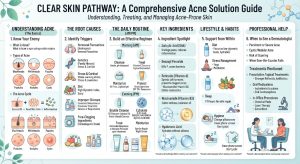
How to Treat Acne-Prone Skin: Effective Solutions, Daily Skincare Tips, and Natural Ways to Support Clearer Skin
Introduction
Acne is one of the most common skin concerns affecting teenagers and adults worldwide. It can appear as blackheads, whiteheads, red pimples, inflamed bumps, or painful cysts. Although acne is often associated with adolescence, many adults continue to experience breakouts because of hormona
l changes, stress, genetics, skincare habits, and other factors.
Acne can affect more than a person’s appearance. For some people, it can lower self-confidence and cause frustration, especially when pimples keep returning despite trying different skincare products. The good news is that acne can often be managed with a consistent skincare routine, appropriate treatments, and healthy lifestyle habits.
There is no single solution that works for everyone. Understanding your skin type and choosing the right treatment can help reduce breakouts, prevent new pimples, and lower the risk of long-term scarring.
1. Understand What Causes Acne
Acne develops when hair follicles become clogged with oil, dead skin cells, and other debris. The skin naturally produces an oily substance called sebum, which helps protect and
moisturize the skin. However, excessive oil production can contribute to clogged pores.
Several factors may contribute to acne:
Excess oil production: Sebaceous glands produce more oil than the skin needs, increasing the likelihood of clogged pores.
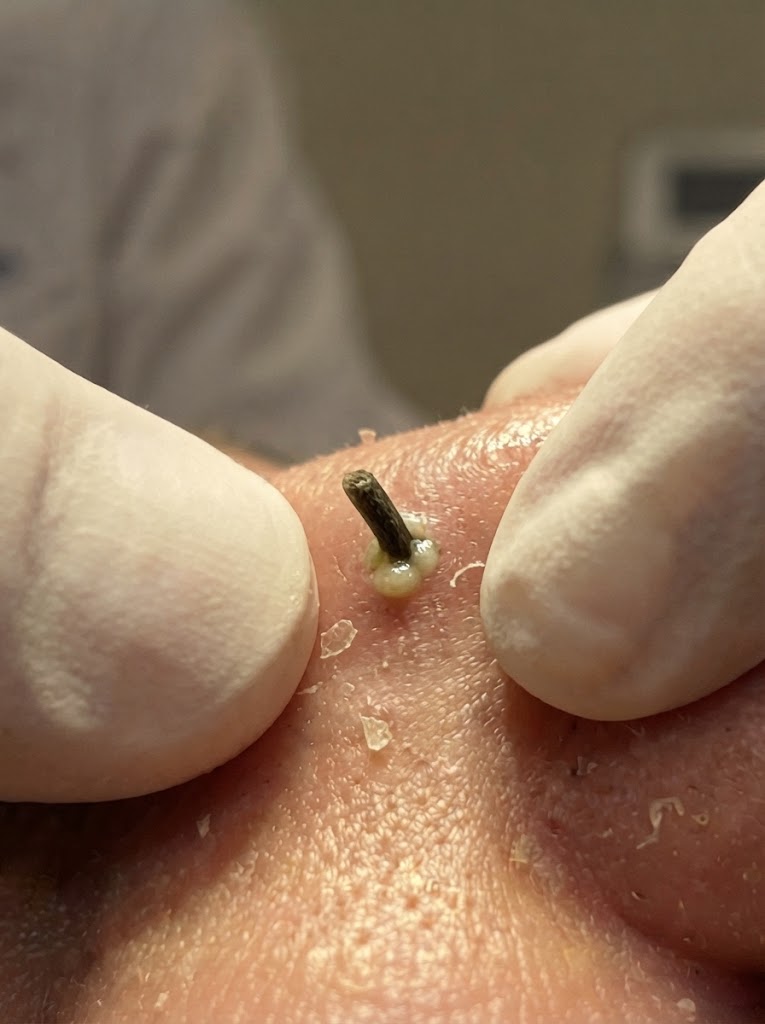
Dead skin cell buildup: Dead cells can accumulate inside hair follicles, forming blackheads and whiteheads.
Bacteria and inflammation: Cutibacterium acnes is a bacterium naturally found on human skin. When conditions inside a clogged follicle allow it to multiply, inflammation may develop.
Hormonal changes: Puberty, menstrual cycles, pregnancy, and certain hormonal conditions can influence oil production.
Genetics: People with a family history of acne may be more likely to develop it.
Stress: Stress does not directly cause every breakout, but it can aggravate existing acne in some people.
Certain products and medications: Heavy, pore-clogging cosmetics and some medications may worsen acne. If breakouts begin after starting a prescribed medicine, consult a healthcare professional rather than stopping it yourself.
Understanding these factors makes it easier to choose a treatment that addresses the underlying problem instead of simply drying out the skin.
2. Build a Simple Daily S
kincare Routine
A consistent routine is one of the most practical ways to manage acne-prone skin. Using too many products at once can irritate the skin and make breakouts appear worse.
Morning routine
Step 1: Cleanse gently.
Wash your face with a mild, fragrance-free cleanser. Avoid harsh soaps, rough scrubs, and excessive washing because these can damage the skin barrier and cause irritation. Washing twice daily, as well as after heavy sweating, is generally sufficient.
Step 2: Apply an acne treatment if appropriate.
Benzoyl peroxide can help reduce acne-causing bacteria and inflammation. Salicylic acid helps exfoliate inside pores and may be useful for blackheads and whiteheads. Start with one active ingredient rather than combining several strong treatments immediately.
Step 3: Moisturize.
Choose a lightweight, non-comedogenic moisturizer. Even oily skin needs hydration. When the skin becomes excessively dry, it may feel uncomfortable and become more irritated by acne treatments.
Step 4: Apply sunscreen.
Use broad-spectrum sunscreen with SPF 30 or higher. Sun protection helps reduce sun damage and can prevent acne marks from becoming darker. Choose a product labeled non-comedogenic if you are prone to clogged pores.
Evening routine
Step 1: Remove sunscreen and makeup.
Cleanse gently to remove dirt, sweat, makeup, and sunscreen. Avoid scrubbing or repeatedly washing your face.
Step 2: Apply a suitable treatment.
Adapalene, a topical retinoid, helps prevent clogged pores and is often effective for blackheads, whiteheads, and inflammatory acne. It is usually applied in a thin layer to acne-prone areas rather than only to individual pimples. Begin gradually, following the product directions or a healthcare professional’s advice.
Topical retinoids can cause dryness and irritation. Th
ey should generally be avoided during pregnancy or when trying to become pregnant unless a qualified clinician advises otherwise.
Step 3: Moisturize again.
A moisturizer can reduce dryness and help maintain the skin barrier. Consistency matters more than using a large number of expensive products.
3. Choose Acne Treatments That Have Evidence Behind Them
Different acne treatments work in different ways. The best choice depends on the type and severity of acne.
Benzoyl peroxide: This ingredient helps reduce acne-causing bacteria and is particularly useful for red, inflamed pimples. Lower concentrations, such as 2.5%, may be effective while causing less irritation than stronger formulations. It can bleach towels, clothing, and pillowcases.
Salicylic acid: This ingredient helps loosen dead skin cells and clear clogged pores. It is often helpful for mild blackheads and whiteheads, although it may not be sufficient for more severe inflammatory acne.
Adapalene: This topical retinoid helps prevent clogged pores and treats several forms of acne. Improvement generally takes several weeks, and irritation can occur at the beginning.
Azelaic acid: This ingredient can help with mild acne, inflammation, and dark marks left after pimples heal. It may be a useful option for people concerned about uneven skin tone.
Prescription treatments: Moderate or severe acne may require prescription-strength topical medicines, oral antibiotics for a limited period, hormonal treatments for appropriate patients, or isotretinoin for selected cases of severe or scarring acne. These treatments require professional assessment because their risks, benefits, and monitoring requirements differ.
Do not begin several active ingredients simultaneously. Introduce products gradually and follow their directions. If burning, swelling, blistering, or significant irritation develops, stop the irritating product and seek medical advice when necessary.
4. Be Careful With Natural Acne Remedies
Many people prefer natural skincare because it seems gentle and affordable. However, natural does not automatically mean safe or effective.
Aloe vera: A simple, fragrance-free aloe vera gel may soothe irritated skin, although it should not be considered a complete acne treatment.
Green tea: Some skincare products containing green tea may help with oiliness, but evidence for treating acne is limited compared with established medications.
Honey: Honey may have moisturizing properties, but household honey has not been proven to reliably clear acne.
Avoid applying lemon juice, toothpaste, baking soda, undiluted essential oils, or harsh homemade mixtures to the face. These substances can irritate the skin, cause burns, or worsen discoloration.
Do not use rough sugar scrubs or aggressively exfoliate active pimples. Physical irritation can prolong inflammation and increase the likelihood of post-acne marks.
Natural approaches are best treated as optional additions to a gentle routine, not replacements for proven acne treatments when these are needed.
5. Improve Daily Habits That May Help Your Skin
Skincare products are important, but daily habits can also influence skin health.
Eat a balanced diet. Some research suggests that high-glycemic foods, including sugary drinks and highly refined carbohydrates, may worsen acne in certain people. A balanced diet containing vegetables, fruits, whole grains, protein, and healthy fats supports overall health. There is no need to eliminate entire food groups without a clear reason.
Notice possible food triggers. Some studies have found an association between acne and certain dairy products, but the relationship is not consistent for everyone. Keep track of your own experiences instead of assuming that one food causes all breakouts.
Get enough sleep. Regular, adequate sleep supports general health and may help with stress management. It is not a guaranteed acne cure, but healthy sleep habits are worthwhile.
Manage stress. Walking, stretching, exercise, relaxation techniques, and enjoyable activities can help reduce stress. If stress seems to coincide with breakouts, improving stress management may be beneficial.
Clean items that touch your face. Wash pillowcases regularly, clean phone screens, and avoid repeatedly touching your face with unwashed hands.
Avoid picking pimples. Squeezing acne can increase inflammation, infection risk, and the likelihood of scars or dark marks. If a pimple is painful or persistent, use an appropriate treatment instead.
6. How Long Does Acne Treatment Take?
One of the biggest mistakes people make is expecting clear skin after only a few days. Most acne treatments need time to work.
During the first few weeks, some treatments may cause dryness, redness, or mild peeling. This does not always mean the treatment is unsuitable, but significant irritation is a reason to reassess how it is being used.
Many people begin noticing improvement after approximately six to eight weeks. More substantial improvement may take eight to twelve weeks or longer, depending on the treatment and severity of acne.
Take photographs every few weeks under similar lighting to track progress. This can be more reliable than checking your skin repeatedly throughout the day.
If your skin is becoming increasingly painful, swollen, or irritated, do not simply continue using stronger products. Reassess the routine and seek professional guidance if needed.
7. Treat Dark Marks and Prevent Acne Scars
Acne can leave flat brown, red, or dark marks after pimples disappear. These marks are not necessarily permanent scars, and many gradually fade over time.
Daily sunscreen is particularly important because ultraviolet exposure can darken post-inflammatory marks. Azelaic acid and retinoids may also help improve uneven skin tone while treating acne, although they can irritate sensitive skin.
True acne scars may appear as depressions, pits, or raised areas. These are different from temporary discoloration and may require dermatological treatments such as microneedling, chemical peels, laser procedures, or other specialist approaches.
The best way to reduce the risk of scarring is to control inflammatory acne early and avoid picking or squeezing lesions.
8. When Should You See a Dermatologist?
Home skincare may be sufficient for mild acne, but professional care is important when acne is severe or persistent.
Consider consulting a dermatologist if you experience:
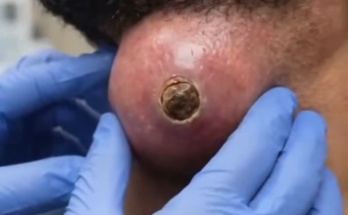
- Deep, painful nodules or cysts.
- Acne that leaves scars.
- Persistent breakouts despite using appropriate treatments consistently for eight to twelve weeks.
- Extensive acne affecting the face, chest, or back.
- Significant emotional distress or reduced confidence because of acne.
- Sudden, severe acne or breakouts accompanied by other unusual symptoms.
A dermatologist can identify the type of acne, consider possible contributing factors, and create a treatment plan suited to your skin. Early treatment can help prevent long-term skin damage.
Conclusion
Clearer skin usually comes from consistent care rather than a quick miracle product. A gentle cleanser, suitable acne treatment, moisturizer, and daily sunscreen form a practical foundation for many people with acne-prone skin.
Ingredients such as benzoyl peroxide, salicylic acid, adapalene, and azelaic acid can help address different acne concerns. Healthy habits, a balanced diet, adequate sleep, stress management, and avoiding the temptation to pick pimples may also support improvement.
Remember that every person’s skin is different. A product that works well for one person may irritate another, and severe acne sometimes requires medical treatment. Be patient, introduce products gradually, and give evidence-based treatments enough time to work.
The goal is not to achieve perfect skin overnight. It is to develop a sustainable routine that reduces breakouts, protects the skin barrier, and helps your skin become healthier over time.