UN Warns of “Supersized” El Niño as Global Weather Risks Escalate
The United Nations and the World Meteorological Organization (WMO) have issued a warning that the planet has entered an era of heightened extreme weather as a potentially historic El Niño develops. Data indicates the phenomenon could become one of the strongest recorded in over 70 years, compounding existing global temperature increases driven by human-induced climate change.
“El Niño is being supersized before our eyes. The science leaves no room for doubt: the planet is in uncharted waters, and those waters are heating up,” said UN Secretary-General António Guterres.
WMO Secretary-General Celeste Saulo emphasized that the agency is mobilizing resources worldwide to deliver early forecasts to vulnerable regions, cautioning that “El Niño has the potential to deliver a massive blow to communities and economies across the world.”
Ocean Temperatures Surge
El Niño occurs when shifting wind patterns in the Pacific Ocean allow warm water to spread eastward, releasing substantial heat into the atmosphere:
-
Surface Anomalies: Key monitoring regions in the central and eastern tropical Pacific have recorded surface temperatures more than 2°C above average, with projections suggesting anomalies could near 4°C.
-
Subsurface Heat: Below the surface, water temperatures in parts of the Pacific are running more than 8°C above normal.
-
Marine Impacts: While forecasts suggest parts of Australia’s Great Barrier Reef may avoid the worst anomalies, southern coastal waters face intense marine heatwaves. Scientists warn these conditions threaten local fisheries, seabirds, and marine ecosystems through toxic algal blooms and heat stress.
Severe Drought and Supply Chain Pressure
Significant shifts in rainfall patterns are expected to cause acute drying trends across Southeast Asia, Central America, and northern South America:
-
Panama Canal: Authorities are cutting daily vessel transits by over 10% to conserve reservoir water levels depleted by low rainfall, disrupting a transit point critical to global maritime trade.
-
Wildfires in Indonesia: Prolonged dry conditions have fueled fires across more than 107,000 hectares, leading to hazardous air quality across provinces like Central Kalimantan. Emergency agencies are utilizing cloud seeding and ground containment teams to control blazes.
-
Southern Africa: Forecasters warn that agricultural sectors face severe drought risks similar to previous strong El Niño cycles.
Intensified Storms and Flood Risks
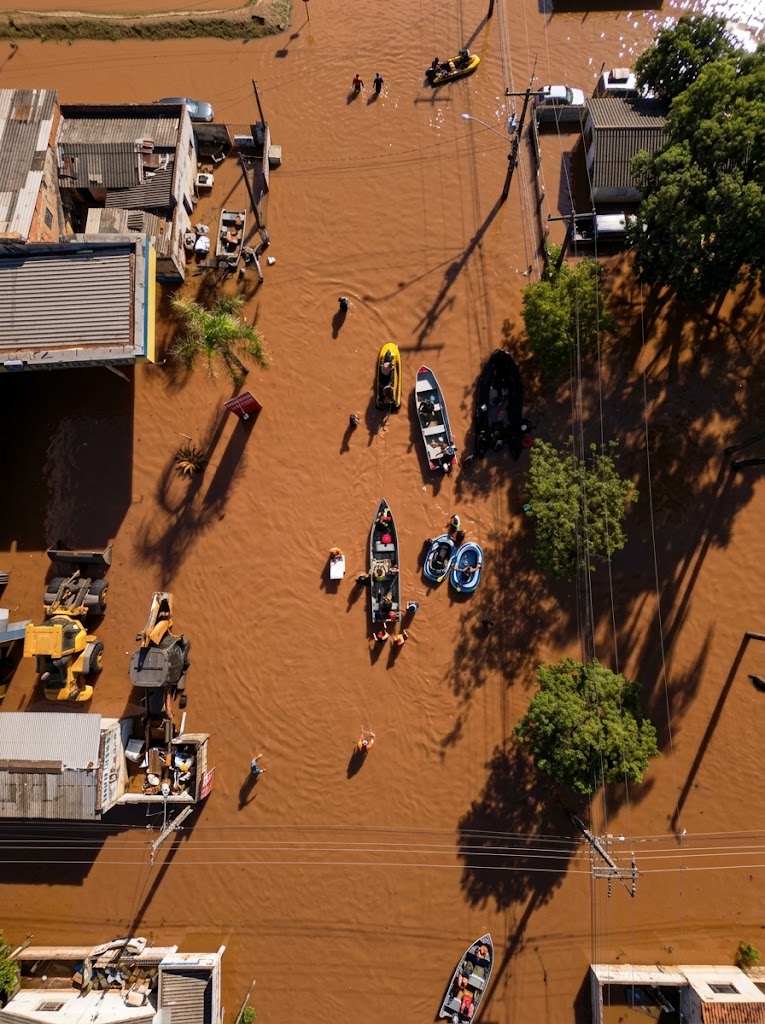
Conversely, excess atmospheric moisture is set to drive heavy precipitation, tropical cyclones, and flash floods across other parts of the world:
-
East Asia: Coastal nations, including China, face an elevated risk of severe typhoons and associated landslides following multiple damaging landfalls earlier in the season.
-
The Americas and East Africa: Wetter-than-average conditions are forecast for eastern Africa, southern Brazil, and the southern United States.
-
South American Coast: In Peru and Ecuador, where warm waters directly border the coast, heavy rains elevate the risk of urban flash flooding and mudslides.
Aid organizations emphasize that while early warning systems and pre-emptive medical deployments have improved, deep-seated structural vulnerabilities—such as inadequate drainage, housing in hazardous terrain, and fragile healthcare infrastructure—remain the primary drivers of disaster risk.